Categories
News

Ohio Faces Challenges in Passing Online Casino Legislation

Senate Bill 312 Gains Attention But Faces Roadblocks

Ohio lawmakers are working hard to pass Senate Bill 312, a piece of legislation aimed at legalizing online casinos in the state. However, with the legislative session nearing its end, there are still significant hurdles that need to be overcome before the bill can be turned into law. Although the bill has gained momentum, its journey through the Ohio Senate is far from guaranteed.

The Push for Online Casinos

Supporters of Senate Bill 312 argue that the legalization of online casinos could provide Ohio with a significant new revenue stream. Proponents highlight the potential for millions of dollars in state revenue, which could be directed toward education, infrastructure, and other essential services. They also point to the success of online gambling in neighboring states like Michigan and Pennsylvania, where online casinos have become a growing part of the state’s economy.

Advocates believe that Ohio should not be left behind in the rapidly expanding digital gaming market, as more and more states adopt similar measures. According to reports from Ohio’s legislative committee, online casinos could attract new players and offer more gaming options to existing customers, providing a convenient alternative to traditional in-person casinos.

Resistance from Opponents

Despite the enthusiasm from supporters, the bill faces strong opposition. Critics argue that the introduction of online casinos could lead to an increase in gambling addiction, negatively affecting vulnerable populations. Organizations focused on addiction prevention have voiced concerns, claiming that the convenience of gambling from a mobile device or computer could lead to higher rates of problem gambling. The National Conference of State Legislatures (NCSL) highlights similar concerns in other states, showing how legislators across the U.S. are grappling with balancing accessibility and public health.

Some lawmakers are also wary of how the expansion of gambling might impact existing land-based casinos in Ohio. They fear that the move could divert revenue away from brick-and-mortar casinos and the jobs they provide. While these concerns are valid, proponents of the bill argue that online and in-person casinos can coexist and complement each other, as seen in other states.

Senate Bill 312: A Legislative Roadblock
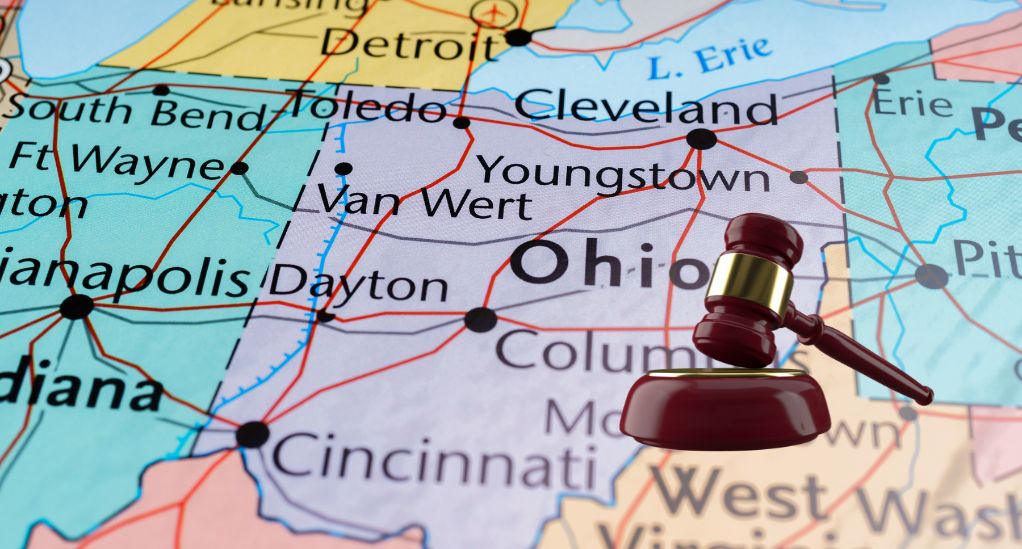
Senate Bill 312, introduced earlier this year, has passed through some early stages of legislative approval. However, the bill has not yet been brought to a full vote in the Senate. Lawmakers remain divided on several provisions of the bill, with particular debates surrounding tax rates for online casino operators and how revenues will be allocated.

As the clock ticks down on the current legislative session, time is running out for Senate Bill 312 to pass. If lawmakers fail to vote on the bill before the session ends, it will likely be pushed to the next legislative session, delaying any potential launch of online casinos in Ohio.

Supporters of the bill are urging swift action, noting that online casino platforms are becoming increasingly popular across the United States. They worry that if Ohio delays the bill’s passage, the state will fall behind in a competitive and rapidly evolving market.

Potential Impact on the Economy

The legalization of online casinos in Ohio could have a significant impact on the state’s economy. According to estimates from various studies, online casinos could generate hundreds of millions of dollars in additional tax revenue for the state. These funds could be used to support vital programs, including public education, healthcare, and infrastructure projects.

In addition to tax revenue, legalizing online casinos could also create new jobs in the tech and gaming industries. Companies that operate online casino platforms often require a skilled workforce to manage operations, customer support, and compliance with state regulations. These jobs could provide additional opportunities for Ohio residents, particularly in sectors focused on digital services.

However, opponents of the bill argue that any economic benefits must be weighed against the potential social costs of increased gambling accessibility. They believe that further research is needed to fully understand the impact that online gambling could have on individuals and families in Ohio.

The Path Forward for Ohio

As the legislative session comes to a close, it remains unclear whether Senate Bill 312 will be passed into law. While the bill has garnered attention and support, significant challenges remain. Both supporters and opponents of the bill are continuing to advocate for their positions, with no clear consensus in sight.

Lawmakers are faced with the difficult task of balancing the potential economic benefits with the possible social costs of legalizing online casinos. If the bill does not pass during this session, it will likely be revisited in the future, as the debate over online gambling in Ohio shows no signs of slowing down.


Categories
News

Economic Uncertainty Drives Gamers Toward Low-Risk Sweepstakes Casinos

Nevada Casino Revenue Decline in August 2024

Nevada casinos reported a revenue dip in August 2024, with the industry bringing in $1.16 billion—a 3.8% drop compared to August 2023, according to the latest Nevada Gaming Control Board report. The decrease primarily stemmed from lower high-stakes game earnings, especially in baccarat, and significant declines in slot machine revenue. Despite increased player participation, revenue from baccarat fell 34.3% to $76.3 million. Slot machine revenue, a major contributor, similarly declined, dipping 3.8% to $798.3 million. Among these, penny slots experienced the steepest fall, with a 33.5% drop.

The Las Vegas Strip also faced revenue reductions, where earnings fell by 3.5% to $643.7 million in August. As a result, Nevada collected $57.7 million in fees from casino revenues, marking a notable 23.9% decrease year-over-year.

Shifting Player Preferences and Economic Sensitivity

The substantial decline in baccarat revenue suggests a trend among players to avoid high-stakes games. This cautious approach may reflect current economic uncertainties, prompting players to shift away from traditional casino formats and toward low-risk gaming alternatives. Sweepstakes casinos, which align with online safety guidelines outlined by the U.S. Federal Trade Commission, have gained traction by providing a similar gaming experience without the financial risk.

Sweepstakes casinos operate on a virtual currency model, using Game Coins or Sweeps Coins instead of real money. This allows players to participate in various games without spending actual cash, offering risk-free gameplay while retaining the excitement of casino-style games. As economic challenges make high-stakes gambling less appealing, these platforms present a safer, more accessible option, especially for those cautious about potential financial losses.

Rise of Sweepstakes Casinos: A Low-Risk Alternative

Sweepstakes casinos have become increasingly popular, presenting players with a unique gaming experience without the pressure of real-money betting. Unlike traditional casinos, which require financial stakes, sweepstakes platforms allow users to play with virtual currencies. This model makes it an attractive option for players who wish to enjoy casino games without risking their finances.

Additionally, these casinos are often accessible in states where conventional online gambling remains restricted. By offering legal gameplay options through a sweepstakes model, these platforms cater to a broader audience, especially in regions where regulatory limitations on gambling exist. The appeal extends to new and casual players, who enjoy the thrill of gaming in a safe and financially manageable way.

Impact of Mobile Gaming and Accessibility

One of the major drivers behind the popularity of sweepstakes casinos is mobile compatibility. In a market increasingly favoring on-the-go access, mobile gaming offers players the convenience of playing anytime and anywhere, fitting easily into flexible, mobile-first lifestyles. With mobile gaming revenue in 2024 projected to reach $103.5 billion, mobile-compatible sweepstakes casinos provide an easy entry point for players seeking quick, casual gaming sessions.

For sweepstakes casinos, mobile access removes the need for players to travel to a physical casino, allowing them to engage in gaming from the comfort of their homes or on the move. This aligns well with current lifestyle trends, especially for users looking to game in short bursts rather than commit to extended sessions often required by physical casinos.

Potential Future of Sweepstakes Casinos

As Nevada casinos see a steady decline in revenue, sweepstakes casinos are poised to capture a larger share of the gaming market. By combining low financial risk, legal accessibility, and mobile convenience, these platforms appeal to a wide range of players, from seasoned casino enthusiasts to newcomers seeking casual entertainment. The current shift in Nevada’s casino revenue might indicate that players are increasingly drawn to gaming options that prioritize ease of access and offer low-stakes fun.

The 3.8% drop in Nevada casino revenue could signal an emerging trend favoring alternatives like sweepstakes casinos. As these platforms continue to adapt to player preferences with mobile-friendly and financially accessible gaming options, their appeal is likely to grow. This shift may influence the broader gaming industry as more players prioritize enjoyment without the pressure of potential losses.

Categories
News

NCAA Report Reveals Gambling Restrictions Are Ineffective in the U.S.

A new report by the National Collegiate Athletic Association (NCAA) highlights a critical issue. Restrictions on gambling are failing to prevent violations within collegiate athletics. This finding comes as conversations about regulating online casinos in the U.S. gain momentum. The report suggests prohibitions don’t deter gambling and may worsen the situation.

The NCAA’s Committee on Competitive Safeguards and Medical Aspects of Sports (CSMAS) released its findings on October 1, 2024. The committee admitted that current rules aren’t preventing gambling violations among campus athletic workers. This includes betting on sports events in which the NCAA sponsors championships. The report essentially states that athletic workers are breaking gambling rules, but little can be done under the current system.

This raises concerns as NCAA President Charlie Baker advocates for excluding athlete prop bets from regulated sports betting systems. The CSMAS findings question whether Baker’s stance will have any real impact.

The NCAA’s broader approach to gambling regulation seems contradictory. The evidence suggests that current strategies aren’t addressing the root issue. This report may push policymakers to rethink how they tackle gambling among athletic workers and apply those lessons to other areas, like online casinos.

Regulation and Enforcement Issues Go Beyond the NCAA

The NCAA’s findings highlight a larger problem with gambling regulations in the U.S. The American Gaming Association reports that over $338 billion was wagered on unregulated online casino websites in 2023. This shows that the lack of regulation allows harmful gambling practices to flourish nationwide.

Many state governments resist regulating online casinos, hoping to limit gambling among residents. However, evidence shows that these prohibitions are ineffective. The NCAA report demonstrates that banning certain types of gambling doesn’t stop people from participating. Instead, unregulated platforms create unsafe environments where dangerous practices thrive.

For instance, unregulated online casinos lack consumer protections. This leaves users exposed to data breaches, rigged games, and withheld winnings. Without a regulated system, players have no recourse if their winnings are delayed or their information is compromised. This puts players at greater risk, especially those prone to gambling issues.

Moreover, states lose significant tax revenue when online casinos remain unregulated. That revenue could fund important public services like healthcare and education. The costs of dealing with gambling-related problems also increase, placing more financial strain on states.

Unregulated Gaming Risks Vulnerable Groups

One of the most serious issues with unregulated online casinos is the danger to vulnerable groups. These include people with gambling problems and minors. Unregulated platforms often lack proper Know Your Customer (KYC) protocols and age verification systems, allowing minors to gamble. Additionally, these platforms rarely offer self-exclusion options or limits for players with gambling issues.

Without these safeguards, the risk of problematic gambling behavior grows. Without regulatory oversight, players can easily spiral into financial distress. As long as states delay in regulating online casino play, these risks will increase.

The Need for Better Enforcement

The NCAA report also highlights an important point for state lawmakers: regulation without enforcement doesn’t work. While many states are legalizing online gambling, enforcement is often weak. The NCAA, for example, has limited authority to enforce its own rules, leaving compliance to individual universities.

Similarly, some states have regulations for online casinos but fail to enforce them properly. Without strong enforcement, unlicensed operators can continue serving residents without facing consequences. Strong enforcement is essential for any regulatory framework to work.

Basic enforcement measures can still make a difference. For example, 14 U.S. states convinced offshore casino operator Harp Media to stop accepting plays from their residents. This was done using cease-and-desist letters. This shows that when states act, they can make an impact.

The NCAA’s findings remind policymakers that a lack of regulation and enforcement worsens gambling problems. Addressing these issues requires both strong legislation and enforcement that holds unlicensed operators accountable.

Categories
News

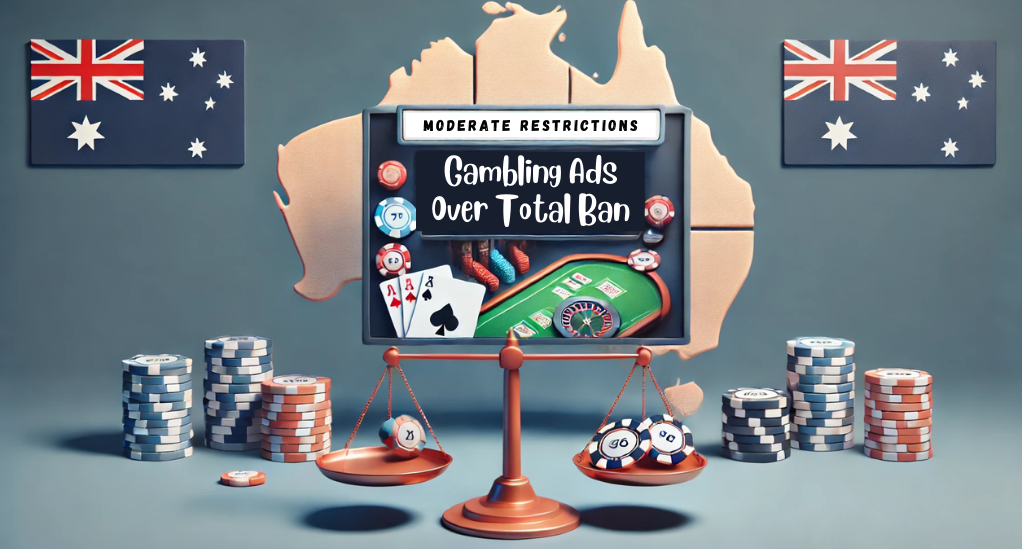
Australians Lean Towards Moderate Restrictions on Gambling Ads Over Total Ban

A study by Freshwater Strategy revealed that most Australians prefer moderate restrictions on online gambling ads rather than a full ban. The survey involved a broad cross-section of Australian residents. It showed that 56% of respondents favored regulated restrictions, focusing on protecting children and vulnerable groups. In contrast, only 30% supported a complete ban on gambling ads. This has sparked a national debate, with industry leaders and advocacy groups discussing the risks and benefits of these measures.

The push for stricter regulations comes from growing concerns about the impact of gambling ads on public health. Children and individuals prone to gambling addiction are particularly vulnerable. According to the study, 37% of respondents said reducing children’s exposure to these ads was their primary reason for supporting regulation. Another 26% were concerned about protecting vulnerable groups, like those with a history of problem gambling.

Calls for Comprehensive Reform

The conversation around gambling advertisements has gained momentum following an open letter addressed to Prime Minister Anthony Albanese and Opposition Leader Peter Dutton by the Alliance for Gambling Reform earlier this year. The letter, which garnered the signatures of 60 prominent individuals, including former prime ministers and well-known sports personalities, called for the implementation of 31 measures outlined in the Murphy Report. These measures aim to reduce the harmful effects of gambling advertisements, with a specific focus on protecting children and those who are already predisposed to gambling issues.

The Murphy Report’s recommendations include limiting the times at which gambling ads can be aired, enforcing stricter age verification protocols, and ensuring that all ads carry clear and conspicuous warnings about the risks of gambling. Despite the report’s findings, there has been significant pushback from within the gambling industry, with many arguing that a total ban would drive consumers towards illegal operators.

Industry Leaders Oppose Over-Regulation

Kai Cantwell, the CEO of Responsible Wagering Australia, strongly opposes the push for an outright ban on gambling ads. In a recent statement, Cantwell advocated for a balanced approach to protect consumers while maintaining the viability of the industry. He warned that without regulated advertisements, Australians could turn to black-market operators who don’t follow the same standards of fairness and consumer protection.

Cantwell stressed that while the desire to protect vulnerable individuals is valid, an all-or-nothing approach is not the solution. Instead, he suggested that measures such as opt-out provisions, stricter age-verification requirements, and responsible gambling messaging within ads could achieve a better balance between protecting consumers and maintaining the benefits of a regulated gambling industry.

In addition, Cantwell highlighted the economic contribution of licensed gambling operators to the Australian economy. He noted that these operators contribute significant tax revenue that funds essential public services such as healthcare, education, and infrastructure. Illegal operators, on the other hand, evade taxes and often engage in predatory practices that harm consumers. According to Cantwell, over-regulation could create a vacuum in the market, allowing these bad actors to thrive.

Balancing Consumer Protection and Economic Stability

The debate over gambling ad regulations comes at a critical time for the Australian Government. On one hand, there is mounting pressure from advocacy groups and a portion of the public to implement stricter regulations to protect children and vulnerable individuals. On the other hand, the gambling industry plays a substantial role in the Australian economy, contributing billions of dollars in tax revenue each year. Striking a balance between these competing interests is no easy task, particularly as the online gambling industry continues to grow.

According to data from the Australian Communications and Media Authority (ACMA), online gambling has seen a sharp increase in participation in recent years, with more Australians engaging in sports betting, online casinos, and other forms of digital wagering. This has prompted the government to explore new ways to regulate the industry, including through initiatives like the National Consumer Protection Framework, which aims to promote responsible gambling and protect consumers from harm​.

As the debate unfolds, it is clear that Australians are divided on the issue. While the majority favor moderate restrictions, there is still a vocal minority pushing for a complete ban. Ultimately, the challenge for policymakers will be finding a solution that addresses the legitimate concerns about gambling-related harm while ensuring that the industry can continue to contribute to the nation’s economy.

Categories
News

New Anti-Sweepstakes Policy Released by American Gaming Association

The American Gaming Association (AGA) has recently taken a firm stance against sweepstakes-based wagering models. With the growing popularity of these models, the AGA has expressed significant concerns about their impact on both the industry and consumers. In a new policy statement, the AGA outlines the reasons behind their opposition and calls for stricter regulatory oversight.

The AGA’s Concerns About Sweepstakes-Based Wagering

The AGA’s primary concern revolves around how sweepstakes operators can potentially circumvent state gambling laws. By operating within a legal grey area, these operators can avoid the stringent regulations that apply to traditional gambling activities. This not only impacts the integrity of the industry but also leads to a loss of potential tax revenue that would otherwise benefit the states.

Moreover, the AGA highlights the issue of consumer protection, stating that many sweepstakes models lack adequate safeguards for players. The organization is particularly critical of the weak responsible gaming protocols and the absence of self-exclusion processes, which are standard in regulated gambling environments. According to the AGA, this lack of oversight presents significant risks to consumers, leaving them vulnerable to unfair practices and potential exploitation.

The Dual-Currency Model: A Point of Contention

One of the key aspects of sweepstakes-based wagering that the AGA finds problematic is the dual-currency model. This model allows players to engage in gameplay either for free or by purchasing virtual currency, which can enhance the gaming experience. Operators argue that this format is permissible under current sweepstakes laws, but the AGA strongly disagrees.

The AGA contends that the dual-currency model is a way for operators to exploit loopholes in the legal system. By presenting their offerings as “free,” operators can bypass regulations that would typically apply to real-money gambling. The AGA believes this undermines the legal gaming market and puts consumers at risk.

AGA’s Call for Regulatory Action

In its policy statement, the AGA doesn’t just outline concerns; it also calls for action. The organization urges regulators and government leaders to investigate sweepstakes operators to determine if they comply with state regulations. Where laws are unclear, the AGA recommends that legislatures enact new legislation to close existing loopholes.

The AGA’s stance is clear: without proper regulatory oversight, sweepstakes-based wagering models will continue to operate unchecked, posing risks to both consumers and the legal gambling industry. By calling for stricter regulations, the AGA hopes to protect the integrity of the market and ensure that all operators are held to the same standards.

Case Study: Virtual Game Works (VGW) Under Scrutiny

A prime example of the challenges faced by sweepstakes operators is Virtual Game Works (VGW), a company that has encountered legal obstacles in multiple states. Earlier this year, the Delaware Division of Gaming Enforcement issued a cease-and-desist order to VGW, but the company has yet to comply. VGW has also faced scrutiny in Michigan, where the state’s Gaming Control Board ordered the company to cease its sweepstakes operations.

The Michigan Gaming Control Board’s actions against VGW were based on allegations that the company violated state gaming laws. Specifically, VGW was accused of conducting illegal gambling by offering games where players could wager something of monetary value for the chance to win something of monetary value. The board determined that these activities violated multiple state laws, including the Michigan Penal Code and the Lawful Internet Gaming Act.