
Senate Bill 312 Gains Attention But Faces Roadblocks
Ohio lawmakers are working hard to pass Senate Bill 312, a piece of legislation aimed at legalizing online casinos in the state. However, with the legislative session nearing its end, there are still significant hurdles that need to be overcome before the bill can be turned into law. Although the bill has gained momentum, its journey through the Ohio Senate is far from guaranteed.
The Push for Online Casinos
Supporters of Senate Bill 312 argue that the legalization of online casinos could provide Ohio with a significant new revenue stream. Proponents highlight the potential for millions of dollars in state revenue, which could be directed toward education, infrastructure, and other essential services. They also point to the success of online gambling in neighboring states like Michigan and Pennsylvania, where online casinos have become a growing part of the state’s economy.
Advocates believe that Ohio should not be left behind in the rapidly expanding digital gaming market, as more and more states adopt similar measures. According to reports from Ohio’s legislative committee, online casinos could attract new players and offer more gaming options to existing customers, providing a convenient alternative to traditional in-person casinos.
Resistance from Opponents
Despite the enthusiasm from supporters, the bill faces strong opposition. Critics argue that the introduction of online casinos could lead to an increase in gambling addiction, negatively affecting vulnerable populations. Organizations focused on addiction prevention have voiced concerns, claiming that the convenience of gambling from a mobile device or computer could lead to higher rates of problem gambling. The National Conference of State Legislatures (NCSL) highlights similar concerns in other states, showing how legislators across the U.S. are grappling with balancing accessibility and public health.
Some lawmakers are also wary of how the expansion of gambling might impact existing land-based casinos in Ohio. They fear that the move could divert revenue away from brick-and-mortar casinos and the jobs they provide. While these concerns are valid, proponents of the bill argue that online and in-person casinos can coexist and complement each other, as seen in other states.
Senate Bill 312: A Legislative Roadblock
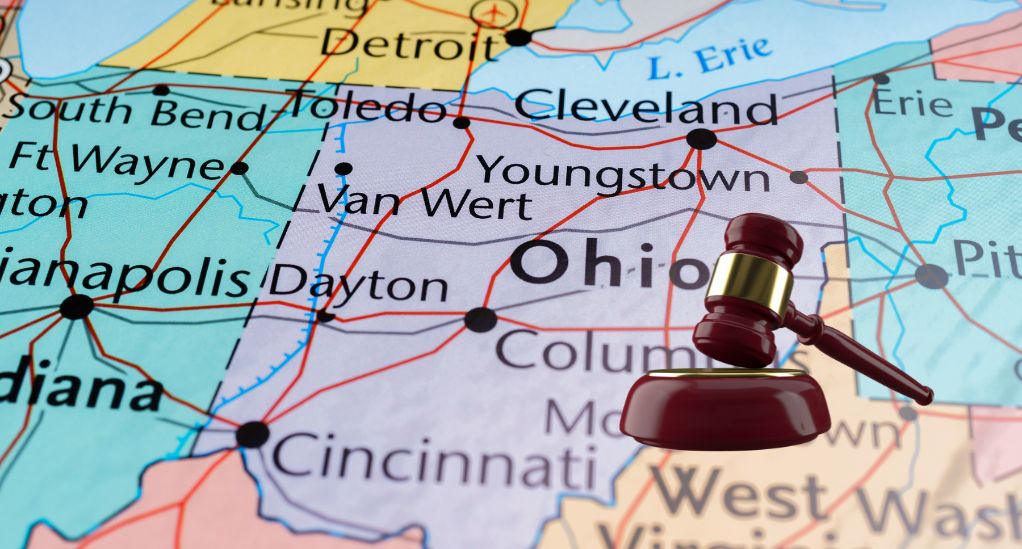
Senate Bill 312, introduced earlier this year, has passed through some early stages of legislative approval. However, the bill has not yet been brought to a full vote in the Senate. Lawmakers remain divided on several provisions of the bill, with particular debates surrounding tax rates for online casino operators and how revenues will be allocated.
As the clock ticks down on the current legislative session, time is running out for Senate Bill 312 to pass. If lawmakers fail to vote on the bill before the session ends, it will likely be pushed to the next legislative session, delaying any potential launch of online casinos in Ohio.
Supporters of the bill are urging swift action, noting that online casino platforms are becoming increasingly popular across the United States. They worry that if Ohio delays the bill’s passage, the state will fall behind in a competitive and rapidly evolving market.
Potential Impact on the Economy
The legalization of online casinos in Ohio could have a significant impact on the state’s economy. According to estimates from various studies, online casinos could generate hundreds of millions of dollars in additional tax revenue for the state. These funds could be used to support vital programs, including public education, healthcare, and infrastructure projects.
In addition to tax revenue, legalizing online casinos could also create new jobs in the tech and gaming industries. Companies that operate online casino platforms often require a skilled workforce to manage operations, customer support, and compliance with state regulations. These jobs could provide additional opportunities for Ohio residents, particularly in sectors focused on digital services.
However, opponents of the bill argue that any economic benefits must be weighed against the potential social costs of increased gambling accessibility. They believe that further research is needed to fully understand the impact that online gambling could have on individuals and families in Ohio.
The Path Forward for Ohio
As the legislative session comes to a close, it remains unclear whether Senate Bill 312 will be passed into law. While the bill has garnered attention and support, significant challenges remain. Both supporters and opponents of the bill are continuing to advocate for their positions, with no clear consensus in sight.
Lawmakers are faced with the difficult task of balancing the potential economic benefits with the possible social costs of legalizing online casinos. If the bill does not pass during this session, it will likely be revisited in the future, as the debate over online gambling in Ohio shows no signs of slowing down.